japanese beetle life cycle in missouri
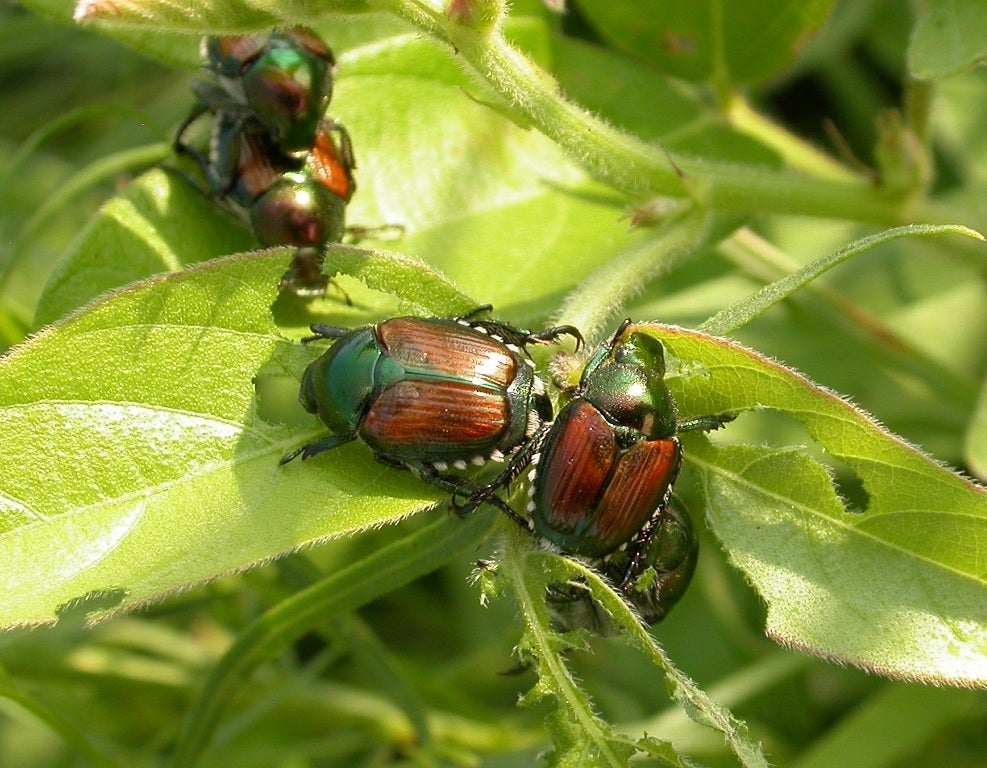
The Japanese beetle occurs in all states east ofthe. These beetles have a bright appearance due to their color combination a metallic green head and thorax and a copper-colored elytra partially covering.

Surprising Facts About The Mid Missouri Fall Grub Population
Adult beetles are metallic green with brown wings approximately 5-7 mm wide and 8-11 mm long Figure.
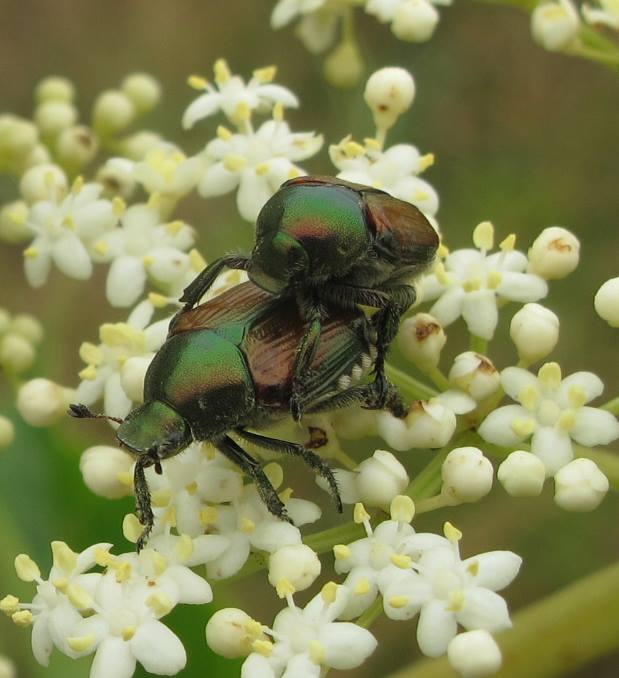
. Japanese beetles have an annual life cycle. Acelepryn and Intercept are good at killing Japanee beetle eggs. Japanese beetle are distinguished from native beetles by the presence of.
In Connecticut this insect has been found in almost all parts of the State. Joel Floyd USDA APHIS. Shortly after eggs hatch and the larvae burrow underground.
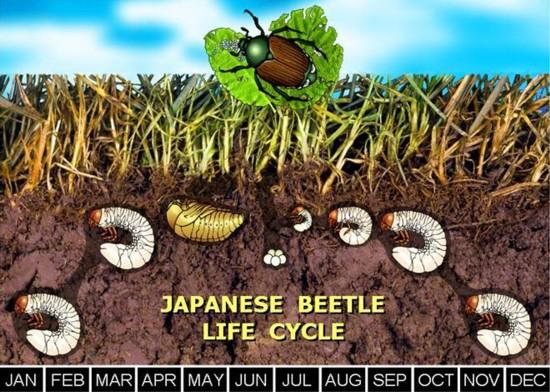
Adults begin to emerge in May and feed on foliage through September. When Japanese beetle grubs are. The Japanese beetle life cycle.
The adult Japanese beetle is a little less than half an inch long and has a shiny metallic-green body with bronze-colored outer wings. Native to Japan the Japanese beetle was first introduced into the United States in 1916. Native to Japan Japanese beetles are an invasive species that was first.
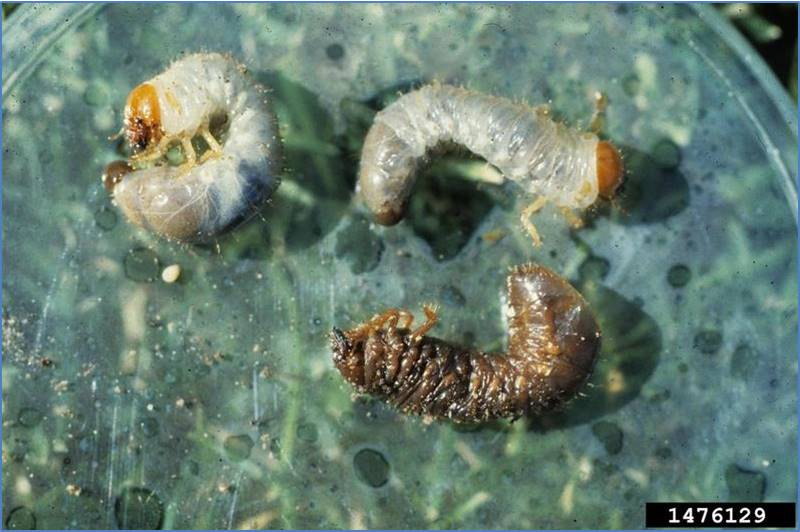
How to Recognize the Japanese Beetles Life Stages. Females lay eggs in soil that hatch within seven. Jul 19 2021 Updated Jul 20 2021.
The Japanese beetle life cycle. Japanese beetle have one generation per year Figure 2. These pesticides act as preventatives that will kill Japanese beetle eggs before they are able to hatch into.
Japanese beetles overwinter as a partially grown grub in the soil below the frost line. The grubs resume feeding on grass roots in the spring and then pupate near the soil surface. Is necessary for the completion of the entire life cycle.
Japanese beetles have been established in other parts of the Great Lakes region for decades. Homeowners encounter Japanese beetles during the early summer months as the beetle adults fly and gather in clusters to feed upon plant leaves consuming the soft leaf tissue between the. A diagram showing the lifecycle of Japanese beetles over the course of a year both below.
The Japanese beetle Popillia japonica has emerged to wreak havoc on your shade trees. Eggs are laid in moist sod near the soil surface July through August.
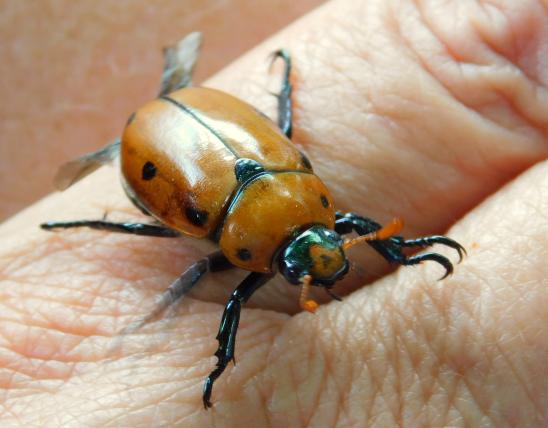
Japanese Beetle Missouri Department Of Conservation
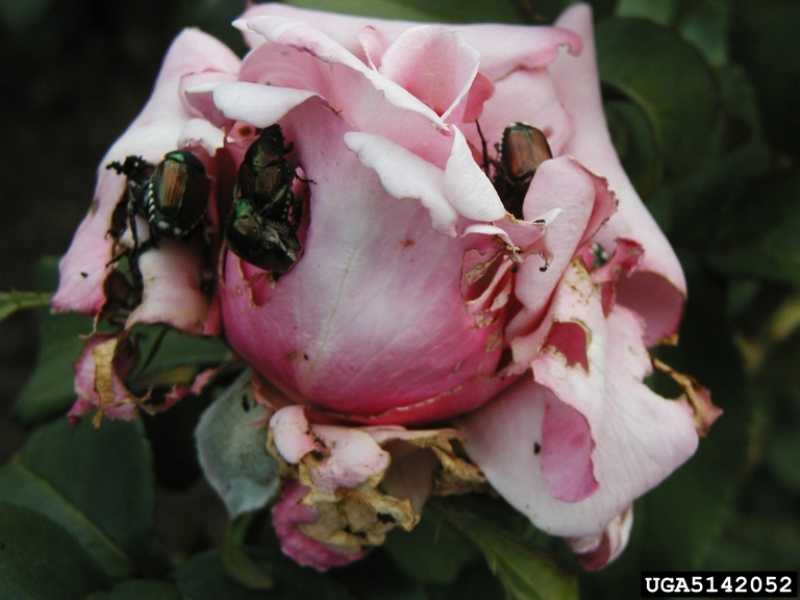
Japanese Beetle

Japanese Beetle Control Traps Nebraska Extension In Lancaster County

Mu Entomologist Lists Pests To Watch In 2021 Corn South

How To Get Rid Of Japanese Beetles Updated For 2022
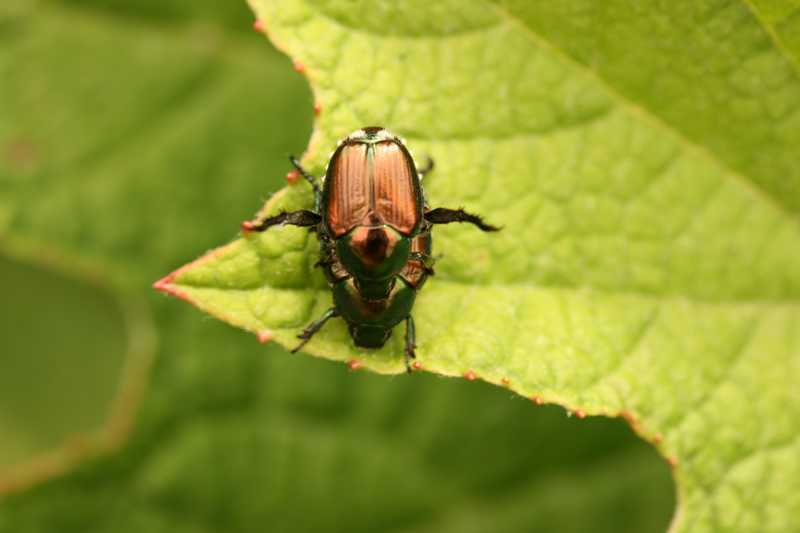
Japanese Beetle

Japanese Beetles Extension Entomology
Organic Management Options For The Japanese Beetle At Home Gardens Missouri Environment And Garden News Article Integrated Pest Management University Of Missouri

Japanese Beetles Stop Them In Their Tracks Simplify Gardening
Japanese Beetle Missouri Department Of Conservation
Japanese Beetles Missouri Department Of Conservation

Japanese Beetle Missouri Department Of Conservation

First Report Of Japanese Beetles In Missouri This Season American Vineyard Magazine

Japanese Beetles In Kansas City Bridging The Gap

Biology And Management Of Japanese Beetle G7412 Mu Extension
Japanese Beetles In The Urban Landscape Entomology
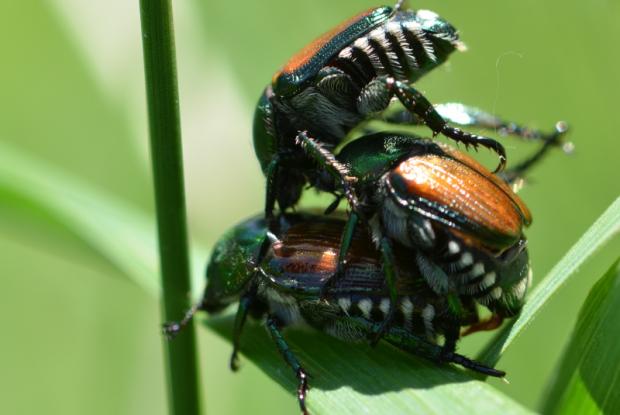
Japanese Beetle Space For Life
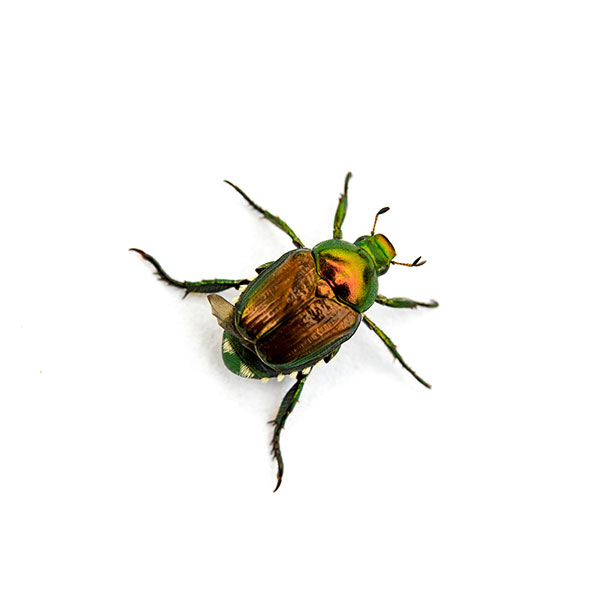
Japanese Beetle Identification Habits Behavior Pest Defense Solutions
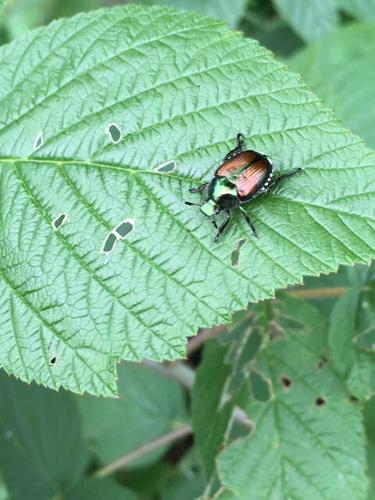
Japanese Beetles Eat More Than 300 Types Of Vegetation